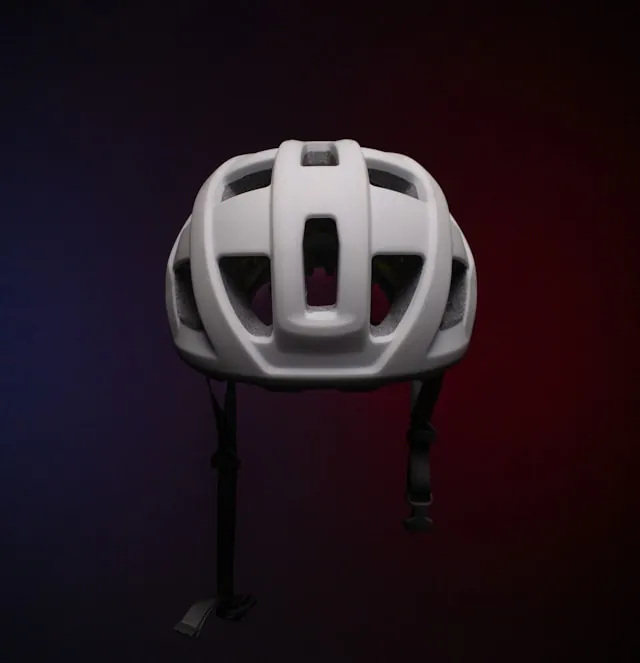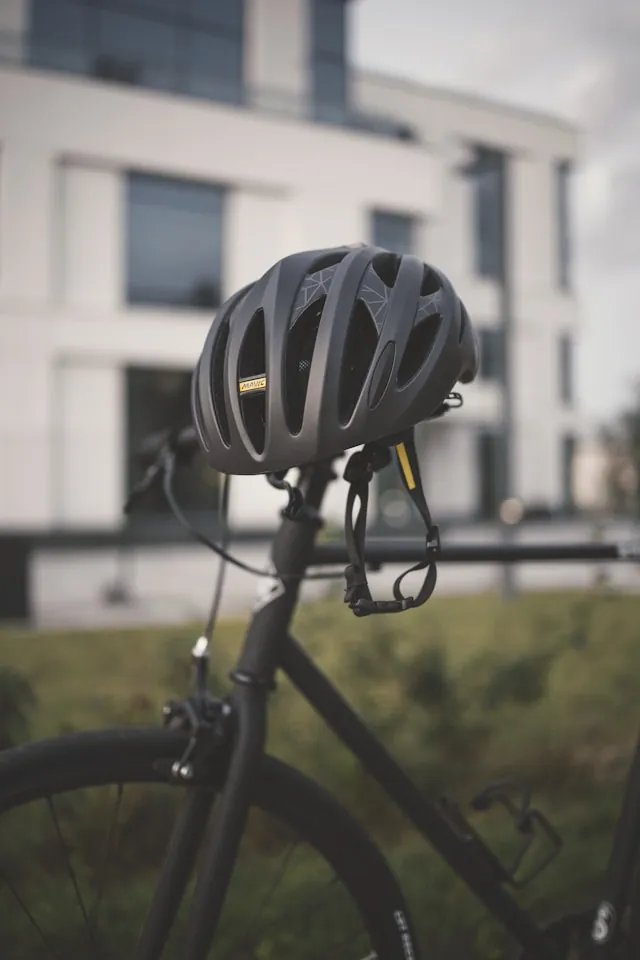
Choosing the right cycling helmet is one of the most important decisions you'll make as a rider. A good helmet can mean the difference between walking away from an accident and a life-changing injury. But with so many options available, how do you know which one is right for you?
Why Helmet Fit Matters
A helmet that doesn't fit properly won't protect you effectively. Too loose, and it could shift or come off during an impact. Too tight, and it can cause discomfort and headaches on long rides. The perfect fit should be snug but comfortable, sitting level on your head about one inch above your eyebrows.
To measure your head size, use a flexible tape measure and wrap it around your head about one inch above your eyebrows. This measurement corresponds to the helmet size range you should look for.
Understanding Safety Certifications
Always look for helmets that meet recognized safety standards:
- CE EN1078 - The European standard for bicycle helmets
- CPSC - The U.S. Consumer Product Safety Commission standard
- AS/NZS 2063 - The Australian and New Zealand standard
- MIPS - Multi-directional Impact Protection System (additional rotational protection)
Helmets that meet multiple standards often provide the best protection. MIPS technology, while not a certification, adds an extra layer of protection against rotational forces during angled impacts.
Ventilation and Climate
If you're cycling in the UAE or other hot climates, ventilation becomes crucial. Look for helmets with:
- Multiple large vents for maximum airflow
- Internal channeling to direct air across your head
- Moisture-wicking pads that can be removed and washed
- Light colors that reflect heat rather than absorb it
Types of Cycling Helmets
Different riding styles call for different helmet designs:
- Road Helmets - Lightweight and aerodynamic with excellent ventilation
- Mountain Bike Helmets - Extended rear coverage and often include visors
- Commuter Helmets - Balance between style and protection, often with lights
- Time Trial/Aero Helmets - Minimal vents for maximum aerodynamics
When to Replace Your Helmet
Helmets don't last forever. You should replace your helmet:
- After any crash or impact, even if there's no visible damage
- Every 3-5 years due to material degradation
- If the straps, buckles, or retention system are damaged
- If the foam liner shows signs of wear or compression
Conclusion
Investing in a quality helmet that fits properly is essential for safe cycling. Take the time to try different models, get properly fitted, and don't compromise on safety certifications. Your head is worth protecting.
At VUAE, all our helmets meet or exceed international safety standards and are designed specifically for the demands of riding in hot climates. Browse our collection to find your perfect fit.